How Comprehensive Rehabilitation Plans Accelerate Patient Recovery
Health Articles
- posted on
- Comments Off on How Comprehensive Rehabilitation Plans Accelerate Patient Recovery

The road that follows a major medical event—such as a complex joint replacement, a sudden stroke, a severe automotive collision, or years of battling a degenerative skeletal condition—is often a daunting and exhausting emotional journey. In the immediate aftermath of a medical crisis, the primary focus is entirely on stabilizing the patient’s vitals or ensuring a successful surgical outcome. However, once the initial acute danger passes, a completely different battle begins: the slow, deliberate process of reclaiming your physical strength, independent movement, and everyday quality of life.
Unfortunately, many patients find themselves navigating a highly fragmented healthcare landscape. They often visit isolated medical specialists who rarely communicate with one another, resulting in conflicting exercise protocols, slow healing timelines, and immense mental fatigue. True physiological and neurological healing does not happen through isolated efforts. The most effective way to accelerate your physical recovery is to implement a comprehensive, multidisciplinary rehabilitation plan. This structured roadmap beautifully synchronizes structural alignment, progressive muscle conditioning, daily environmental modifications, and financial advocacy into a single, cohesive timeline. By treating your body as an interconnected system rather than a collection of separate symptoms, you can avoid dangerous physical compensation habits, minimize your reliance on chronic pain medications, and safely cross the finish line to total independent wellness.
1. Synchronizing Movement Restoration and Functional Biomechanics
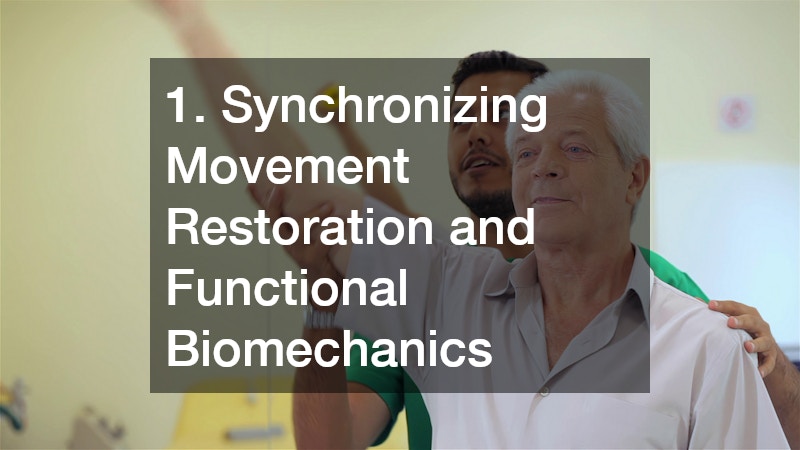
The absolute foundation of any modern rehabilitation plan relies on restoring proper gross and fine motor movement across your entire muscular system. When a joint or muscle group is immobilized due to a traumatic injury or a surgical incision, the body initiates a rapid process of muscular atrophy, where muscle mass and structural strength begin to degrade within a matter of days. Reversing this decline requires a delicate balance of progressive tissue loading, flexibility training, and neuroplastic re-education to remind your brain how to recruit muscle fibers safely and efficiently.
However, physical healing is only half the battle. A truly effective recovery plan recognizes that a patient must translate their clinical strength gains directly into their everyday domestic environment. It is one thing to lift a specialized weight while lying flat on a clinical treatment table; it is a completely different challenge to safely carry a heavy laundry basket down a flight of stairs or comfortably bend over to load a dishwasher without throwing out your lower back.
To bridge this massive gap between medical recovery and real-world execution, comprehensive care plans mandate the concurrent application of two distinct therapeutic disciplines:
- Gross Motor Restoration: Utilizing target-specific physical therapy allows patients to safely rebuild their foundational core strength, expand their range of motion, and optimize cardiovascular endurance through meticulously measured, low-impact exercise science.
- Lifestyle and Environmental Adaptation: Working alongside a dedicated specialist in occupational therapy ensures that you learn how to modify complex everyday tasks. This discipline focuses on fine motor coordination, cognitive adaptations, and the proper use of assistive tools, allowing you to dress, cook, and bathe with absolute safety and minimal physical strain.
Simultaneously addressing these two operational frontiers prevents patients from developing dangerous compensation mechanisms—such as limping or overusing one side of the body—which would inevitably cause secondary joint damage and chronic pain loops in the future.
2. Harmonizing Primary Soft-Tissue and Structural Alignment Experts
To truly maximize the efficiency of your movement restoration, a comprehensive care plan must look past your muscles to analyze the structural framework supporting them. Your skeletal alignment and your soft-tissue networks are completely codependent. If an individual suffers from a misaligned pelvis or a restricted spinal segment, the surrounding muscle groups will naturally spasm, stiffen, and overcompensate in a desperate attempt to protect the unhinged joint, severely limiting their ability to perform necessary rehabilitation exercises.
Conversely, attempting to adjust a joint without lengthening and strengthening the tight, scarred muscles attached to it is a futile effort; the rigid soft tissues will simply pull the bone right back out of alignment within a matter of hours. Accelerated healing demands that you establish an active, fluid communication loop between your structural alignment specialists and your mobility coaches.
When you enter the active phase of structural recovery, these specialized professionals must work in total tandem:
- Optimizing Skeletal Articulation: Consulting a licensed chiropractor allows you to safely eliminate joint restrictions, reduce local nerve impingement, and restore proper spinal motion through targeted manual adjustments.
- Conditioning the Soft-Tissue Matrix: Once structural mechanics are unblocked, your physical therapist can immediately step in to implement eccentric muscle-loading routines, deep myofascial release, and targeted stretching to lock the newly aligned joint into place permanently.
This beautifully synchronized approach ensures that your nervous system can stream clean, uninterrupted electrical signals to your healing extremities, allowing you to execute your therapeutic exercises with maximum power, zero mechanical grinding, and a significantly lower risk of re-injury.
3. Targeting Deep Structural Core and Specialized Internal Stabilization

While rehabilitating visible extremities like shoulders, knees, and hips is highly intuitive, the most sophisticated clinical care roadmaps look much deeper to analyze the hidden internal stabilization systems of the human torso. Many chronic lower back issues, persistent pelvic instability, and mysterious hip pain syndromes are completely unrelated to superficial muscle weakness. Instead, they are frequently caused by the total deactivation of the deepest muscular layers that form the structural floor and interior walls of your pelvis.
This internal vulnerability is exceptionally common following major abdominal surgeries, prostate interventions, complex childbirth, or severe high-impact lumbar trauma. When these deep internal support layers fail to fire correctly, the base of your spine effectively loses its primary hydraulic shock absorber, transferring massive, destructive pressure directly onto your lower lumbar discs and sacroiliac joints during standard walking patterns.
Safely rehabilitating this vital internal core requires an incredibly discrete, highly technical therapeutic environment:
- Neuromuscular Internal Training: Integrating specialized pelvic floor therapy into your routine allows you to isolate, re-educate, and strengthen the deep levator ani and coccygeus muscles, successfully resolving internal dysfunctions and restoring total base stability to your spine.
- Advanced Diagnostic Screening: Seeking out a comprehensive chiropractic clinic that offers integrated digital motion analysis and surface electromyography allows your care team to visually track exactly which internal muscle groups are firing out of sequence.
Addressing these hidden structural foundations eliminates the mysterious, nagging aches that frequently stall a patient’s progress in traditional exercise programs, providing a stable, rock-solid anchor that allows the rest of your body to heal with remarkable efficiency.
4. Engineering a Low-Impact Home Environment for Continuous Healing

A pristine clinical rehabilitation session can be completely undone in a single fraction of a second if a patient returns to an unsupportive, hazardous domestic environment. Statistically, the first forty-eight hours following a hospital or outpatient surgical discharge present the highest risk window for sudden falls, pulled incisions, joint dislocations, and severe medical setbacks. True recovery requires engineering a continuous, low-impact healing environment within the walls of your own home.
When a patient is recovering from significant trauma, standard everyday movements like pushing off a low couch to stand up or rolling over to exit a flat bed require intense, sudden bursts of muscular force. If those movements engage muscles that are actively healing from a surgical incision, the patient will naturally distort their posture to avoid pain, putting intense twisting forces on vulnerable joints or risking a catastrophic loss of balance.
Modifying your living space with specialized, responsive medical furnishings removes these mechanical dangers entirely:
- Power-Assisted Transitions: Integrating specialized lift chairs into your main living area allows you to transition smoothly from a deep recline to a full vertical stand with the push of a button. This mechanical assistance completely bypasses your compromised hip and abdominal flexors, keeping your surgical sites tension-free.
- Nocturnal Safety and Circulation: Upgrading your sleeping quarters with adjustable medical beds allows you to easily elevate your head and lower extremities to maximize respiratory volume, eliminate deep venous pressure points, and assist home-health caregivers with safe positioning shifts through the night.
Beyond integrating specialized supportive furnishings, a comprehensive home engineering plan requires a systemic sweep of the entire domestic landscape to eliminate subtle physical obstacles. When standard spatial elements are left unaddressed, they present constant friction points that drain a patient’s limited daily energy reserves and create unnecessary re-injury vulnerabilities.
General contractors and occupational health specialists recommend implementing a series of immediate, low-cost modifications across primary living spaces before the patient receives their discharge clearance:
- Clearing Primary Transit Corridors: Remove all loose area rugs, exposed electrical cords, and low coffee tables from primary walking paths to ensure a completely unobstructed, wide turning radius for walkers, crutches, or wheelchairs.
- Aero-Grip Door and Faucet Conversions: Replace traditional round, brass doorknobs and twisting sink faucets with modern, ergonomic lever-style handles, allowing patients with compromised grip strength or neurological tremors to open doors and access water using simple downward forearm pressure.
- Fortifying Transitional Wet Zones: Install heavy-duty, wall-anchored grab bars directly inside and adjacent to the shower stall, place a non-slip rubberized mat across the tub floor, and utilize an elevated, secure toilet seat riser to eliminate deep, high-strain bending movements.
- Optimizing Strategic Task Lighting: Position high-lumen, motion-activated nightlights along the exact path from the bedroom to the bathroom, fully illuminating potential tripping hazards during midnight transitions without forcing the patient to fumble in the dark for wall switches.
Systematically addressing these environmental variables ensures that your home acts as a fluid, highly responsive extension of your clinical treatment framework, transforming your living space into a protective sanctuary where your body can heal without facing daily physical setbacks.
5. Decoding Institutional Support Loops and Resource Allocations

The final, and arguably most complex, component of a successful, long-term recovery strategy is navigating the administrative and financial frameworks that fund your care. An exceptional, doctor-prescribed rehabilitation plan is only as good as your ability to consistently access it without facing devastating out-of-pocket financial strain. Managing complex insurance coverage guidelines requires meticulous documentation, precise timing, and proactive coordination with your entire medical team.
For mature adults and individuals managing long-term disabilities, understanding the exact coverage boundaries for outpatient clinical visits and durable medical equipment is a primary prerequisite for care. Navigating these strict parameters requires a professional understanding of how medical necessity manifests across insurance portals. Every single therapeutic exercise, home modification, and piece of supportive machinery must be accompanied by explicit physician manifests, precise diagnostic coding, and continuous functional progress notes to prevent sudden coverage denials or premature program discharge.
Continuous progress logs and meticulous physical updates are essential to safeguard your ongoing healthcare funding. When a physician submits a highly detailed mobility manifest outlining your explicit real-world needs, it directly validates your ongoing equipment allocations. This unbroken chain of clear clinical evidence keeps your outpatient therapeutic timeline active, preventing early programmatic discharge before you have safely met your physical milestones.
Securing these continuous care pathways involves utilizing dedicated resource professionals who understand institutional logistics:
- Navigating Government Coverage: Working alongside coordinators fluent in medicare insurance services ensures that you maximize your Part B outpatient therapeutic allocations and fully utilize your durable medical equipment benefits to cover the cost of essential home recovery gear.
- Validating Extended Functional Extensions: Maintaining meticulous documentation from your occupational therapy team ensures that insurance adjusters see data-driven proof of your improving motor skills, securing ongoing coverage extensions for continuous home health visits and specialized cognitive rehabilitation sessions.
By aggressively managing these administrative support loops, you insulate your family from unexpected medical debt, ensure an uninterrupted continuum of professional care, and allow your mind to remain entirely focused on the singular, vital task of physical healing.
Conclusion
Reclaiming your health, physical strength, and independent movement after a major medical crisis is an intricate puzzle that cannot be solved through a singular, uncoordinated approach. True physiological and neurological recovery is a multi-dimensional journey that demands absolute harmony across every single aspect of your healing timeline. A fragmented approach to medicine yields fragmented results, but a beautifully unified strategy transforms your recovery from a stressful struggle into a highly predictable success.
By prioritizing a comprehensive rehabilitation plan that seamlessly unifies targeted muscle conditioning, expert skeletal adjustments, specialized internal core stabilization, and low-impact home engineering, you provide your body with the perfect environment to heal with remarkable speed. True recovery requires looking past the walls of the clinic to actively fortify your daily lifestyle, your domestic environment, and your insurance resources. When you and your multidisciplinary team treat your health as an interconnected, high-performance ecosystem, you do not merely survive a medical crisis—you actively accelerate your recovery, regain your absolute independence, and proudly reclaim your quality of life for decades to come.
