Walk-In Clinics VS an Emergency Hospital
Health Articles
- posted on
- Comments Off on Walk-In Clinics VS an Emergency Hospital
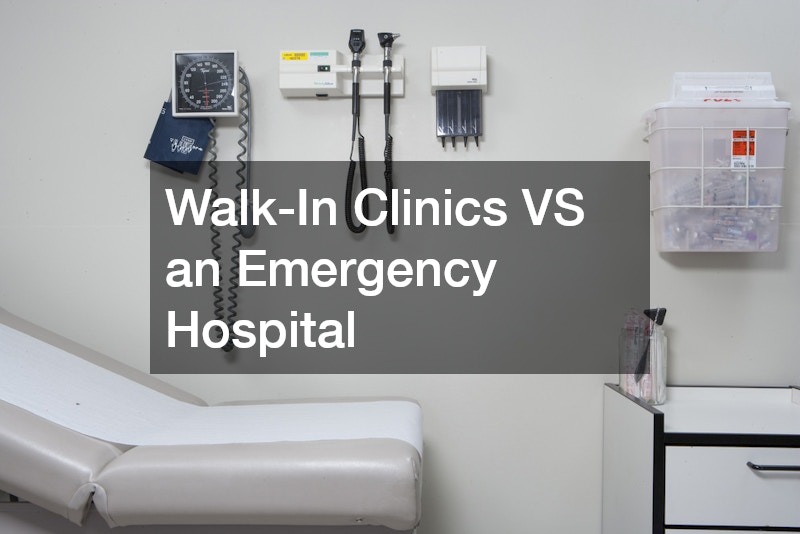

Walk-In Clinics VS an Emergency Hospital
When a health issue comes up unexpectedly, deciding where to seek care can be confusing. Many people are unsure whether a walk-in clinic is enough or if a trip to the emergency room is necessary. Making the right choice matters for your health, your time, and your out-of-pocket costs.
Understanding the differences between these two options can help you respond with confidence when medical concerns arise.
Both walk-in clinics and emergency departments play important roles in the healthcare system. They are designed for different levels of care, and knowing how each one functions can prevent delays, unnecessary expenses, and frustration.
What Walk-In Clinics Are Designed For
Walk-in clinics provide convenient care for non-life-threatening conditions. They typically do not require appointments and are staffed by qualified healthcare providers such as nurse practitioners or physician assistants. These clinics focus on treating common illnesses and minor injuries efficiently.
Services often include treatment for colds, flu symptoms, minor infections, small cuts, sprains, and basic diagnostic testing. Many also offer vaccinations, physicals, and routine screenings. Because they handle lower-acuity cases, wait times are usually shorter than in hospital settings.
Walk-in clinics are a practical option for patients who need care quickly but do not require advanced testing or specialized equipment. They are commonly located in retail centers or standalone facilities, making them easy to access outside of regular doctor office hours.
What an Emergency Hospital Handles
An emergency hospital is equipped to manage serious and potentially life-threatening conditions. These facilities operate around the clock and have access to advanced diagnostic tools, surgical teams, and specialists. They are designed to respond to medical emergencies that require immediate attention.
Conditions such as chest pain, severe shortness of breath, major injuries, uncontrolled bleeding, head trauma, or signs of stroke should always be evaluated in an emergency hospital. These settings are prepared to stabilize patients quickly and provide complex treatments when every minute counts.
Because emergency departments prioritize care based on severity, patients with less urgent issues may experience long wait times. This system ensures that the most critical cases receive attention first.
Differences in Cost and Wait Time
One of the most noticeable differences between walk-in clinics and emergency departments is cost. Walk-in clinics generally charge lower fees and accept many insurance plans. For patients without insurance, these clinics often provide transparent pricing and more affordable care.
Emergency services tend to be significantly more expensive due to the level of resources involved. Even a brief visit can result in high charges, especially if imaging, lab work, or specialty consultations are required. Understanding these cost differences can help patients make informed decisions when the situation allows.
Wait times also vary. Walk-in clinics usually operate on a first-come basis and move patients through quickly. Emergency departments may have longer waits depending on patient volume and case severity.
Types of Conditions Best Suited for Each Option
Knowing which symptoms match each care setting is essential. Walk-in clinics are appropriate for:
- Mild fevers
- Ear or sinus infections
- Minor burns or cuts
- Rashes or allergic reactions without breathing issues
An emergency hospital is necessary for:
- Chest pain or pressure
- Difficulty breathing
- Sudden weakness or numbness
- Serious accidents or injuries
When symptoms are severe or worsening rapidly, it is always safer to choose emergency care rather than risk delays.
Availability and Convenience
Walk-in clinics are valued for their convenience. Many offer extended evening and weekend hours, making them accessible when primary care offices are closed. This flexibility helps reduce unnecessary emergency visits and keeps hospitals focused on critical cases.
Emergency departments, while always open, can be overwhelming during peak hours. The environment is designed for urgent care rather than convenience, which can be stressful for patients with minor concerns.
Choosing the right setting not only benefits the patient but also supports a more efficient healthcare system overall.
The Role of an Emergency Hospital in Public Health
An emergency hospital serves as a safety net for the community. It is the place people rely on during medical crises, natural disasters, and serious accidents. The ability to respond quickly to complex conditions saves lives and prevents long-term complications.
These facilities also coordinate care with specialists, intensive care units, and surgical teams. This level of coordination is not available in walk-in clinics, which is why emergency departments remain essential despite higher costs and longer waits.
Making the Right Choice When It Matters
Deciding where to go starts with assessing symptoms honestly. If you are unsure, many insurance providers and clinics offer nurse advice lines that can help guide your decision. Trusting your instincts is also important. If something feels serious, seeking emergency care is always the safer option.
Both walk-in clinics and emergency departments are valuable parts of modern healthcare. Walk-in clinics offer fast, affordable care for minor issues, while an emergency hospital is equipped to handle critical and life-threatening situations. Knowing the difference empowers patients to seek the right care at the right time.