Navigating Modern Healthcare From Prevention to Long-Term Care
Health Articles
- posted on
- Comments Off on Navigating Modern Healthcare From Prevention to Long-Term Care

Modern healthcare is no longer a single appointment or treatment; it is an ongoing journey that evolves as our needs change. From preventive care and early intervention to chronic condition management and long-term support, understanding how different services work together empowers individuals and families to make informed decisions.
This guide walks through the full healthcare continuum, offering practical advice on how to access, evaluate, and coordinate services at every stage of life. Whether you are managing your own health or supporting a loved one, knowing what to prioritize and when can significantly improve outcomes and reduce stress.
Build a Preventive Care Routine That Catches Problems Early
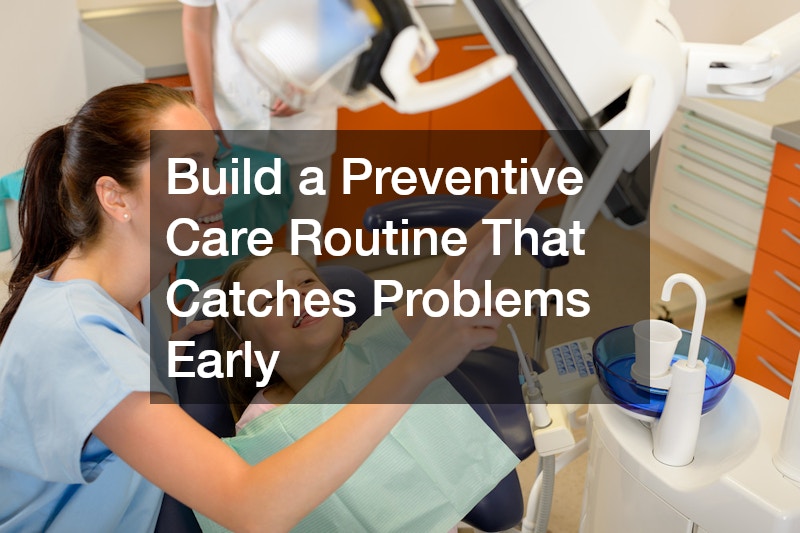
Preventive care forms the foundation of long-term health, and consistency is key. Routine screenings, annual physicals, and regular checkups help identify issues before they escalate into costly or complex conditions. Oral health is often overlooked in prevention, yet it plays a critical role in overall wellness.
Regular visits to dentists can help detect early signs of gum disease, infections, and even systemic conditions like diabetes or cardiovascular issues. To make prevention effective, schedule appointments proactively rather than reactively. Set calendar reminders, bundle appointments when possible, and ask providers what screenings are recommended based on age, family history, and lifestyle.
Preventive care also involves daily habits. Nutrition, exercise, sleep hygiene, and stress management all reduce long-term health risks. Think of prevention not as a one-time task, but as a routine investment in future quality of life.
Know When Immediate Care Is Appropriate Versus Emergency Care
Understanding where to seek care during sudden illness or injury saves time, money, and unnecessary stress. Many non-life-threatening issues, such as minor fractures, infections, burns, or flu symptoms, can be treated effectively at urgent care clinics.
Urgent care is especially useful when primary care offices are closed or appointments are unavailable. Before an issue arises, identify clinics near your home or workplace and confirm they accept your insurance. Keep a list of conditions typically treated at urgent care versus those requiring emergency services.
Using the appropriate care setting not only speeds up treatment but also reduces overcrowding in emergency departments and lowers out-of-pocket costs. Being prepared allows you to act quickly and confidently when unexpected health issues occur.
Prioritize Emotional Well-Being as Part of Whole-Person Health
Physical health cannot be fully addressed without supporting emotional and psychological well-being. Stress, anxiety, depression, and burnout affect everything from immune function to chronic disease management. Incorporating mental health counseling into your healthcare routine can dramatically improve overall quality of life.
Counseling is not only for crises; it is a proactive tool for building resilience, improving communication, and managing life transitions. When seeking support, consider whether you prefer individual, family, or group sessions, and whether in-person or virtual care fits your schedule.
Normalize mental health check-ins the same way you would routine physical exams. Early support often prevents more serious challenges later and strengthens your ability to manage both short-term stressors and long-term health conditions.
Support Recovery With Structured, Goal-Oriented Treatment Plans
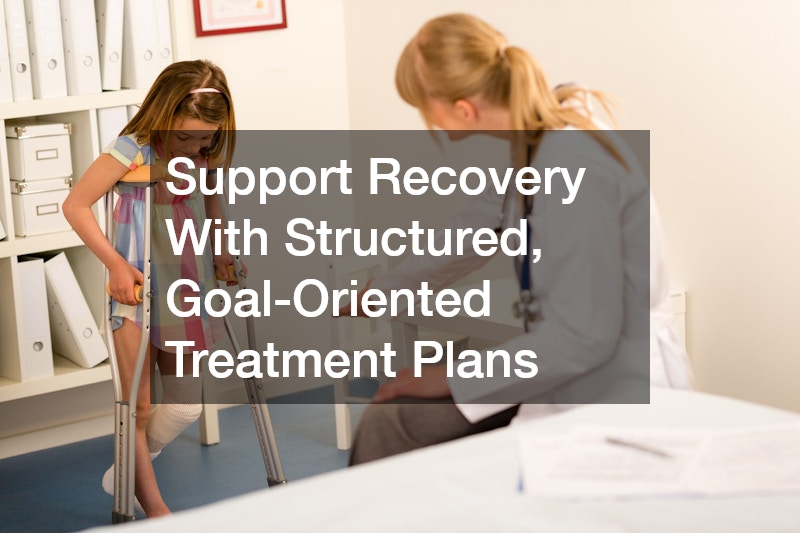
Recovery after injury, surgery, or illness requires more than rest; it demands a structured plan tailored to your specific needs. A coordinated approach using rehabilitation therapies such as physical, occupational, or speech therapy helps restore function, mobility, and independence.
Successful rehabilitation begins with clear goals. Ask your provider what progress should look like at each stage and how success will be measured. Consistency is crucial, so prioritize attendance and follow prescribed exercises at home.
Rehabilitation also benefits individuals managing chronic conditions by slowing progression and maintaining quality of life. When approached as an active partnership between patient and provider, therapy becomes a powerful tool for long-term health and independence.
Coordinate Multiple Providers to Avoid Gaps in Treatment
As healthcare needs grow more complex, patients often interact with multiple specialists, facilities, and services across different settings. Without proper oversight, this fragmentation can lead to duplicated tests, conflicting recommendations, medication errors, or missed follow-up appointments. With medical care coordination, all providers involved in a patient’s care are ensured to be aligned, informed, and working toward shared treatment goals, reducing confusion and improving continuity.
To improve coordination, patients and caregivers should maintain an up-to-date record of medications, diagnoses, test results, and provider contact information. Bringing this information to every appointment helps prevent miscommunication and ensures that new providers have a complete picture of the health history. Patient portals and electronic health records can also be powerful tools for tracking results, sharing updates, and messaging care teams between visits. Do not hesitate to ask which provider is responsible for overseeing your overall treatment plan and managing transitions between services.
Effective coordination is particularly important during hospital discharges, referrals to specialists, or transitions to home or long-term care. Clear communication during these moments reduces delays and prevents gaps in treatment. When coordination is prioritized, patients experience fewer errors, save time, and achieve better outcomes, especially those managing chronic conditions or navigating multiple levels of care simultaneously.
Manage Long-Term Conditions Safely at Home
For many individuals, receiving care at home offers a sense of comfort, independence, and continuity that can be difficult to replicate in institutional settings. Support provided through in home health care helps assistance with medical tasks, mobility, or daily activities while allowing them to remain in a familiar environment. This type of care is especially beneficial for individuals managing chronic conditions, recovering from surgery, or aging in place, as it promotes stability and emotional well-being alongside medical support.
When evaluating home care options, it is important to assess provider credentials, licensing, and experience with specific health conditions. Clear communication practices are equally critical; care plans should outline responsibilities, schedules, and goals so everyone involved understands expectations. Services should be tailored to align with both medical needs and personal preferences, including cultural considerations and daily routines. Family involvement plays a vital role in success; regular check-ins, shared updates, and open dialogue help ensure consistency and safety.
Home-based care can also reduce hospital readmissions by supporting medication adherence, monitoring symptoms, and identifying potential concerns early. When integrated into a broader healthcare plan that includes primary providers and specialists, in-home services create a seamless continuum of care. This coordinated approach improves patient satisfaction, supports long-term independence, and helps families feel more confident managing ongoing health needs.
Plan Specialized Support for Progressive Cognitive Conditions
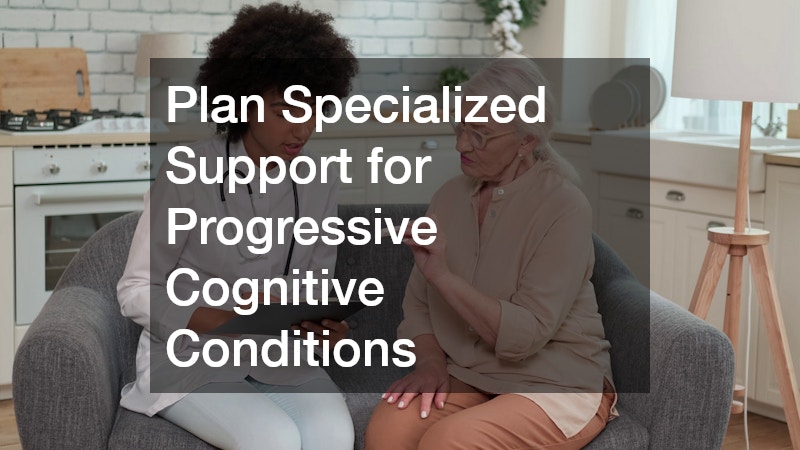
Cognitive decline presents unique challenges that require specialized, compassionate care as symptoms progress and daily needs become more complex. An alzheimers care facility is designed to support individuals experiencing memory loss through structured routines, enhanced safety measures, and therapeutic activities that promote familiarity and emotional comfort. These environments are intentionally designed to reduce confusion, minimize risks such as wandering, and encourage meaningful engagement throughout the day.
Planning early allows families to carefully evaluate care options, understand long-term costs, and prepare emotionally for transitions that can otherwise feel overwhelming. Touring facilities in advance provides valuable insight into daily routines, staff-to-resident ratios, and the overall atmosphere of care. Families should look for programs that emphasize dignity, respect, and person-centered care, as well as individualized care plans that adapt as cognitive needs change. Ongoing staff training in memory care techniques and behavioral support is essential to maintaining high-quality care.
Open communication with family members is equally important. Facilities that encourage regular updates, family involvement, and collaborative decision-making help build trust and continuity of care. Early placement in the right environment can significantly improve quality of life for individuals while easing caregiver stress, reducing burnout, and preventing crisis-driven decisions during moments of rapid decline.
Address Vascular Health Before Complications Escalate
Circulatory health plays a vital role in preventing serious complications such as stroke, blood clots, or limb-threatening conditions that can significantly affect mobility and independence. A vascular clinic specializes in diagnosing and managing disorders of the veins and arteries, including peripheral artery disease, varicose veins, and circulation-related wound issues. These clinics use advanced diagnostic tools to assess blood flow and identify problems before they progress into more serious or irreversible conditions.
Early evaluation is critical if you experience symptoms such as persistent leg pain, swelling, numbness, skin discoloration, or slow-healing wounds. These signs may indicate reduced circulation that requires medical attention. During an evaluation, patients should ask about lifestyle modifications, such as exercise routines, nutrition changes, and smoking cessation, that can significantly improve vascular health. Monitoring strategies, including routine screenings and follow-up imaging, help track disease progression and guide timely interventions.
When treatment is needed, many vascular conditions can be managed with minimally invasive procedures that reduce recovery time and lower complication risks. Proactive vascular care not only improves daily comfort and mobility but also plays a key role in preventing serious events like strokes or limb loss. By addressing vascular concerns early and maintaining ongoing care, individuals can protect long-term health and preserve overall quality of life.
Protect Skin Integrity During Specialized Medical Treatments
Certain medical treatments can place significant stress on the skin, requiring proactive management before symptoms become severe. Proper attention to skincare for radiation is especially important for patients undergoing therapies that can compromise the skin’s natural barrier, leading to irritation, dryness, redness, or increased sensitivity over time. Addressing these changes early helps reduce discomfort and lowers the risk of infection or delayed healing.
Patients should follow provider recommendations closely, using only approved products and avoiding harsh ingredients such as fragrances, alcohols, or exfoliating agents that may worsen irritation. Gentle cleansing with lukewarm water, consistent moisturizing, and wearing loose, breathable clothing can help protect treated areas. Sun protection is also critical, as treated skin is often more vulnerable to damage; covering exposed areas and avoiding direct sunlight can prevent further complications. It is equally important to avoid scratching or rubbing affected skin, even when itching occurs.
Open communication with care teams is essential throughout treatment. Report changes early. such as increased pain, peeling, blistering, or signs of infection, so adjustments can be made promptly. Providers may recommend specialized creams, dressings, or treatment breaks if needed. Thoughtful skincare routines not only improve physical comfort but also support healing, preserve skin integrity, and help patients maintain confidence and emotional well-being during what can be a challenging treatment process.
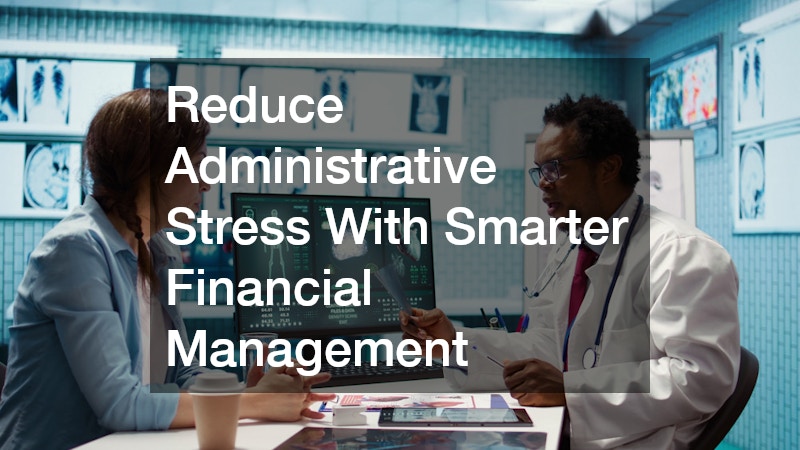
Reduce Administrative Stress With Smarter Financial Management
Managing healthcare finances can be overwhelming, especially for practices and organizations handling complex claims. Strategic use of medical billing outsourcing services helps streamline administrative processes, reduce errors, and improve reimbursement accuracy by leveraging specialized expertise and up-to-date knowledge of coding requirements, payer rules, and regulatory changes. By transferring time-consuming billing tasks to experienced professionals, healthcare organizations can minimize claim denials, shorten payment cycles, and maintain healthier cash flow. This operational efficiency not only supports financial stability but also reduces staff burnout caused by administrative overload.
For patients, understanding billing systems, insurance coverage, and payment options helps prevent surprises and delays in care. Reviewing explanations of benefits, verifying coverage before appointments, and asking questions about estimated costs can significantly reduce confusion. Patients should feel empowered to request clear explanations and itemized statements when needed, especially if charges appear unclear or inconsistent. Many providers also offer financial counseling, payment plans, or assistance programs that can ease the burden of unexpected expenses.
Reducing financial friction allows providers to focus on care delivery and patients to focus on recovery rather than paperwork. When administrative systems run smoothly, trust between patients and healthcare organizations improves, communication becomes more transparent, and healthcare experiences feel more supportive and manageable overall.
Navigating healthcare successfully requires more than reacting to illness; it demands planning, awareness, and informed decision-making at every stage of life. By understanding how preventive strategies, coordinated services, and supportive resources work together, individuals and families can approach health with greater confidence. Taking time to learn how different healthcare services connect allows people to anticipate needs rather than respond in crisis, reducing both emotional strain and unnecessary costs. It also encourages more meaningful conversations with providers, leading to care plans that better reflect personal values, lifestyles, and long-term goals.
A proactive, well-informed approach improves outcomes and transforms healthcare from a source of stress into a structured system of support that evolves alongside your needs. By actively participating in their care—tracking changes, asking questions, and reassessing priorities—individuals gain greater control over their well-being. This mindset is especially valuable during life transitions such as aging, recovery, or caregiving, when decisions become more complex. Viewing healthcare as an ongoing partnership empowers people to maintain independence and make choices that support both immediate health and long-term quality of life.
