How to Make Fermented Cabbage for Gut Health, Digestion, and Delicious Meals
Health Articles
- posted on
- Comments Off on How to Make Fermented Cabbage for Gut Health, Digestion, and Delicious Meals
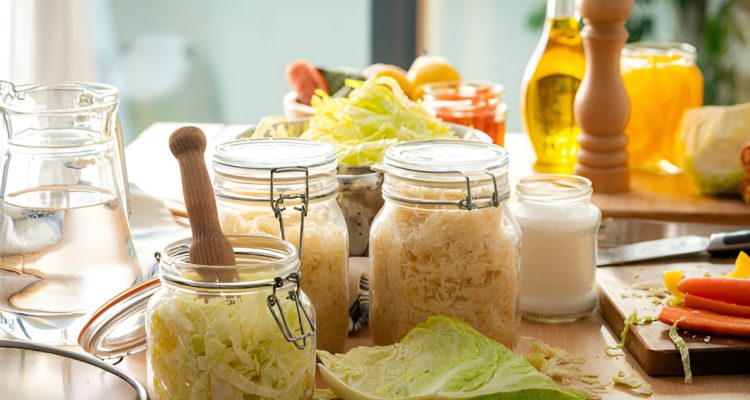

- Fermented cabbage is a gut-friendly superfood: Packed with probiotics, it supports digestion, nutrient absorption, and may boost immunity.
- Multiple types to try: Classic sauerkraut, spicy kimchi, red cabbage ferment, herb-infused, and mixed vegetable ferments each offer unique flavors and benefits.
- Step-by-step preparation is key: Proper cabbage prep, salting, massaging, packing, and using weights ensures successful fermentation.
- Fermentation time affects taste and probiotics: Short (3–5 days) for mild flavor, medium (7–14 days) for tangier taste, long (3–4 weeks) for strong sourness and higher probiotics.
- Safe fermentation practices matter: Keep cabbage submerged, use clean tools, cover loosely to allow gases to escape, and monitor daily to prevent spoilage.
- Versatile in meals and storage: Enjoy as a side dish, in salads, tacos, or soups; store in the fridge for 2–3 months to maintain flavor and probiotics.
Fermented cabbage is one of the easiest and most powerful ways to boost your gut health. Known for its probiotics, crunchy texture, and tangy flavor, it’s a staple in many cuisines around the world. From traditional sauerkraut to spicy kimchi, there are plenty of ways to enjoy this superfood. This guide will walk you through step-by-step instructions for making different types of fermented cabbage, including tips on storage, flavoring, and maximizing digestive benefits.
Why Is Fermented Cabbage Good for Digestion?
Fermented cabbage is more than just a tasty side dish. Its benefits for gut health are backed by science. Here’s why:
- Rich in probiotics: Fermentation encourages the growth of beneficial bacteria like Lactobacillus, which help balance gut flora.
- Supports nutrient absorption: Probiotics enhance your body’s ability to absorb vitamins and minerals from food.
- Reduces bloating and constipation: Regular consumption of fermented cabbage can improve digestion and ease gastrointestinal discomfort.
- May boost immunity: A healthy gut is closely linked to a strong immune system, helping your body fend off illnesses.
If you’re new to gut-friendly foods, starting with fermented cabbage is a delicious and simple way to support digestion naturally.
How to Make Fermented Cabbage: Step-by-Step Guide for Different Types
1. Classic Sauerkraut (Green Cabbage)
Ingredients: Green cabbage, salt, optional caraway seeds
Steps:
- Follow the prep instructions above.
- Pack cabbage tightly into a clean jar, pressing down so the brine covers the cabbage completely.
- Place a weight on top to keep the cabbage submerged.
- Cover loosely with a cloth or lid that allows gases to escape.
- Ferment at room temperature (65–75°F / 18–24°C) for 7–14 days, tasting periodically.
- Once it reaches desired tanginess, transfer to the fridge for storage.
Uses: Side dish, sandwich topping, or salad ingredient.
2. Kimchi (Spicy Korean Style)
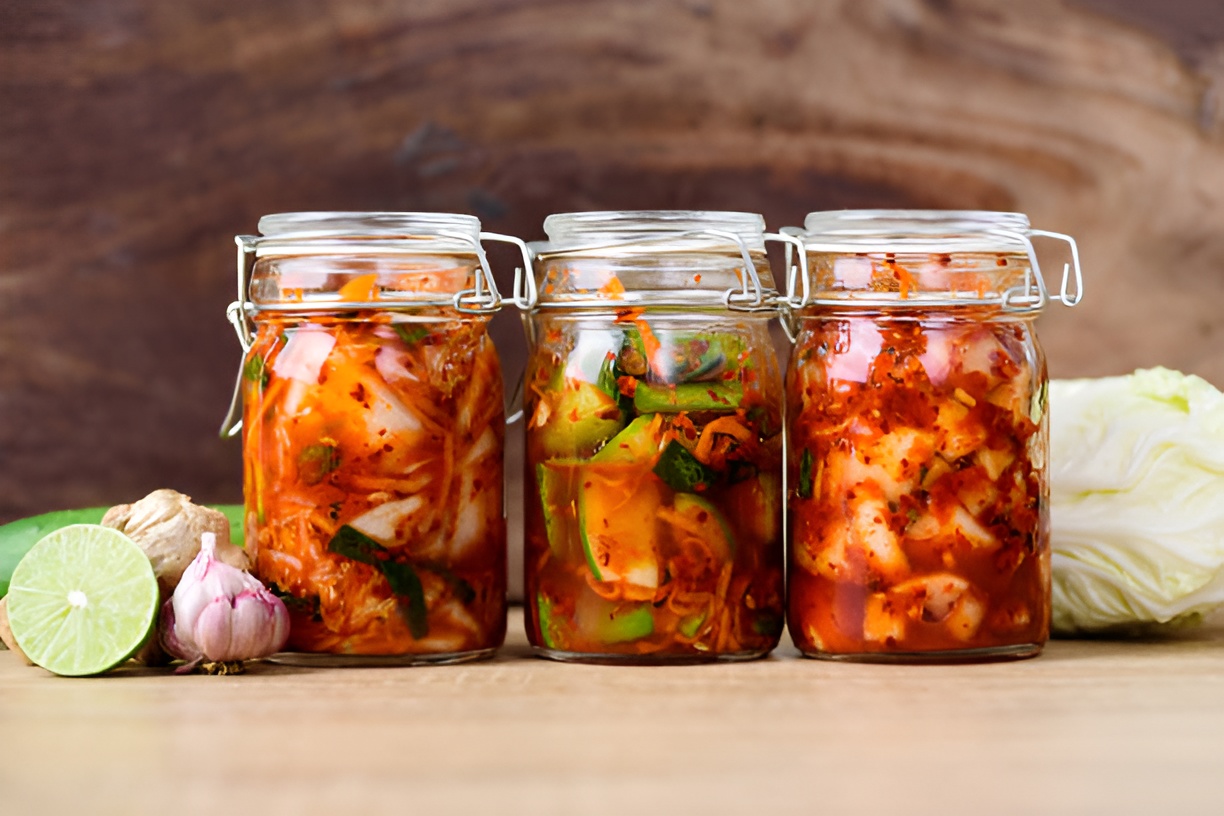
Ingredients: Napa cabbage or green cabbage, salt, garlic, ginger, chili flakes or gochugaru, fish sauce (optional), green onions, radish
Steps:
- Cut the cabbage into chunks and salt generously. Let it sit 2–3 hours until wilted, then rinse and drain.
- Prepare the paste: blend garlic, ginger, chili, and fish sauce.
- Toss cabbage, radish, and green onions with the paste until evenly coated.
- Pack tightly into a jar, leaving some airspace.
- Cover loosely and ferment at room temperature for 3–7 days.
- Taste daily; refrigerate when it reaches the preferred flavor.
Tips: Adjust spiciness to taste; kimchi develops deeper flavor the longer it ferments.
3. Red Cabbage Ferment
Ingredients: Red cabbage, salt, optional carrots or apples for sweetness
Steps:
- Slice red cabbage thinly and mix with salt.
- Massage until liquid is released, then add shredded carrots or apples if desired.
- Pack tightly into a jar and ensure brine covers cabbage.
- Add a weight and cover loosely.
- Ferment 7–14 days at room temperature, tasting periodically.
- Refrigerate once the flavor is right.
Benefits: Red cabbage retains antioxidants and adds vibrant color to dishes.
4. Herb-Infused or Spiced Cabbage
Ingredients: Cabbage, salt, dill, thyme, bay leaves, garlic, or other preferred spices
Steps:
- Prepare cabbage as usual and massage with salt.
- Mix in chosen herbs or spices.
- Pack into a jar and press down to submerge.
- Cover loosely and ferment 7–14 days at room temperature.
- Transfer to fridge when ready.
Uses: Great as a side dish or unique addition to sandwiches and salads.
5. Mixed Vegetable Ferments
Ingredients: Cabbage, salt, optional vegetables (carrots, radishes, cucumbers, beets)
Steps:
- Slice all vegetables thinly and mix with salt.
- Massage until brine forms.
- Pack tightly into a jar, pressing to submerge completely.
- Cover loosely and ferment 7–14 days at room temperature.
- Store in fridge after reaching preferred taste.
Tip: Adding other vegetables diversifies nutrients and flavors while keeping it probiotic-rich.
How Long Should You Ferment Cabbage?
Fermentation is as much an art as a science. The length of time affects taste, texture, and probiotic content.
- Short fermentation (3–5 days): Mildly tangy, retains more crunch.
- Medium fermentation (7–14 days): Stronger flavor, softer texture, higher probiotic content.
- Long fermentation (3–4 weeks or more): Very sour, soft, and highly concentrated in probiotics.
Keep your jar at room temperature, ideally between 65–75°F (18–24°C). Taste it every few days until it reaches your preferred flavor.
What Are the Steps to Ferment Cabbage Safely?
Safety is key when fermenting foods. You want healthy bacteria to thrive while preventing spoilage or mold.
- Use clean jars and utensils: Wash everything thoroughly before use.
- Keep cabbage submerged: Ensure the brine completely covers the cabbage to prevent exposure to air.
- Use weights: A fermentation weight or small jar helps keep the cabbage under the brine.
- Cover loosely: Use a cloth or lid that allows gases to escape, preventing pressure buildup.
- Monitor daily: Check for bubbles (normal) and skim off any surface scum.
Following these steps minimizes the risk of contamination and ensures a successful batch.
How Can You Tell When Fermented Cabbage Is Ready?
Fermentation is done when the cabbage has the tangy flavor and aroma you like. Signs it’s ready include:
- Slightly sour, pleasantly tangy smell
- Crunchy but tender texture
- Bubbling or small gas pockets in the jar
If it tastes too mild, let it ferment longer. If it’s too sour, you can refrigerate it to slow down fermentation and enjoy it over time.
Can You Add Other Vegetables to Fermented Cabbage?
Absolutely! Fermentation works well with other vegetables. Some ideas include:
- Carrots: Add thinly sliced or shredded carrots for sweetness and color.
- Radishes: Give a spicy crunch.
- Bell peppers: Enhance flavor and add vibrant color.
- Onions or garlic: Boost flavor and digestive benefits.
Adding extra vegetables can diversify nutrients and flavor while keeping your gut-friendly benefits intact.
How Should You Store Fermented Cabbage?
Once fermented, storage is crucial to maintain freshness and probiotics:
- Refrigerate: Transfer the jar to the fridge to slow fermentation.
- Keep submerged: Make sure cabbage stays under the brine.
- Use clean utensils: Always use a clean spoon to avoid introducing contaminants.
- Consume within 2–3 months: For best taste and probiotic benefit, eat within this period.
Proper storage ensures you can enjoy your homemade fermented cabbage safely over time.
What Are the Health Benefits Beyond Digestion?
Fermented cabbage offers more than just gut support. Here are other benefits you might enjoy:
- Rich in vitamins: Vitamin C and K content helps support immunity and bone health.
- May reduce inflammation: Probiotics help regulate inflammatory responses in the gut.
- Supports mental health: Emerging research shows a healthy gut can positively influence mood and mental well-being.
Regularly including fermented cabbage in your diet is an easy way to boost overall wellness naturally.
Can You Make Fermented Cabbage Quickly?
While traditional fermentation takes days, there are ways to speed up the process:
- Shred finely: Smaller pieces ferment faster.
- Massage longer with salt: More brine accelerates fermentation.
- Use warmer temperature: Slightly warmer conditions (but not too hot) encourage bacterial growth.
However, rushing fermentation too much may compromise flavor and texture, so patience is still key.
How Can You Use Fermented Cabbage in Meals?
Fermented cabbage is versatile and can be used in many dishes:
- As a side dish: Serve with meats, grains, or sandwiches.
- In salads: Mix into fresh salads for a tangy crunch.
- On tacos or burgers: Add probiotic-rich flavor to wraps or burgers.
- In soups and stews: Stir in at the end of cooking for flavor without killing probiotics.
Experimenting with recipes keeps your meals exciting and helps you consume fermented cabbage regularly.
Common Mistakes to Avoid When Making Fermented Cabbage
Even though it’s simple, mistakes happen. Avoid these common pitfalls:
- Using too little salt – can lead to spoilage
- Exposing cabbage to air – promotes mold growth
- Not weighing down cabbage – leaves it floating above brine
- Using non-food-grade containers – metals can react with brine
Learning from these mistakes ensures every batch turns out delicious and safe.
How Do You Know If Fermented Cabbage Has Gone Bad?
Even with care, sometimes fermentation fails. Signs include:
- Foul or rotten smell
- Mold on cabbage or brine (not just harmless scum)
- Slimy texture
- Unpleasant, off taste
If you notice these, discard the batch and start fresh. Safety always comes first.
How Often Should You Eat Fermented Cabbage for Gut Health?

For digestive benefits, consistency matters:
- Start with 1–2 tablespoons daily if you’re new to fermented foods.
- Gradually increase to ¼–½ cup per day.
- Include in meals regularly to support gut flora maintenance.
Over time, your digestive system will adjust, and you can enjoy both the flavor and health benefits.
Can You Freeze Fermented Cabbage?
Freezing is possible but not ideal:
- Freezing can kill some live probiotics, reducing gut health benefits.
- Texture may become softer and less crunchy after thawing.
- If needed, freeze in small portions and thaw in the fridge.
Refrigeration is generally better to maintain both taste and probiotics.
How Does Fermented Cabbage Compare to Other Fermented Foods?
Fermented cabbage stands out due to:
- Simplicity – easy to make at home
- Cost-effectiveness – inexpensive ingredients
- Flexibility – can be flavored with many herbs and spices
- Health benefits – comparable to yogurt, kimchi, and kefir
It’s a great introduction to the world of fermented foods for beginners and pros alike.
Can You Experiment with Flavors?
Definitely! Fermented cabbage is a blank canvas:
- Spicy: Add chili flakes or jalapeños.
- Sweet-savory: Add grated apples or carrots.
- Herbaceous: Mix in dill, thyme, or bay leaves.
- Garlicky: Add crushed garlic cloves for a bold punch.
Experimenting helps keep meals fun and makes it easier to incorporate fermented cabbage into your routine.
What Are Some Quick Tips for First-Time Fermenters?
If you’re new to fermentation, keep these tips in mind:
- Be patient – fermentation takes time, and flavor develops gradually.
- Taste daily – this helps you catch the flavor at your preferred stage.
- Keep everything clean – hygiene reduces risk of spoilage.
- Don’t worry about bubbles – gas formation is normal and a good sign.
Starting small with these guidelines increases your chances of success.
How to Make Fermented Cabbage a Habit
Eating fermented cabbage regularly can support long-term digestive health.
- Add a spoonful to lunch or dinner daily.
- Include it in snacks like sandwiches or wraps.
- Make larger batches to keep on hand.
- Pair with other gut-friendly foods like yogurt or kombucha.
Making it a routine ensures you reap the maximum benefits for your gut.
Wrapping It Up
Making fermented cabbage at home is simple, versatile, and incredibly beneficial for digestion. Whether you prefer classic sauerkraut, spicy kimchi, colorful red cabbage ferment, or herb-infused creations, each type adds unique flavor and probiotics to your diet. With a little patience and the right technique, you can enjoy delicious, gut-friendly cabbage every day. Start experimenting today and discover your favorite type of fermented cabbage.
