Comprehensive Wellness: How Doctors and Specialists Coordinate Your Care
Health Articles
- posted on
- Comments Off on Comprehensive Wellness: How Doctors and Specialists Coordinate Your Care


Achieving optimal health is more than just treating illnesses as they arise. True wellness comes from a proactive approach that integrates preventive care, diagnostic monitoring, and targeted treatments. Coordinated healthcare—where multiple providers work together to manage a patient’s overall health—ensures that each aspect of wellness is addressed without gaps or duplication.
From managing chronic conditions to preventive screenings, coordinated care allows patients to receive the right interventions at the right time. This approach not only improves outcomes but also enhances the overall experience for patients, reducing stress and improving efficiency. By understanding how different healthcare providers complement one another, patients can make informed choices and take a more active role in their care. Proactive coordination also reduces the risk of conflicting treatments and ensures that resources, time, and effort are used most effectively.
Take Control of Your Preventive Care Routine
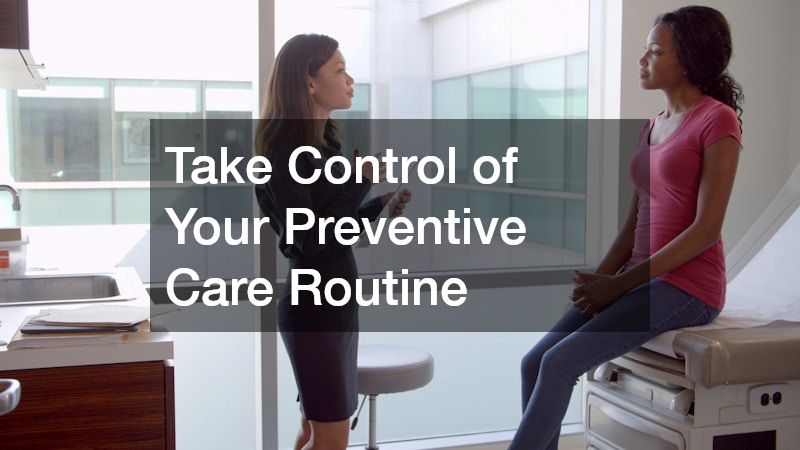
Preventive care is the cornerstone of long-term health. Regular checkups, screenings, and routine evaluations allow providers to identify potential issues before they escalate into serious problems.
Actionable Tips:
- Schedule annual physicals and bloodwork with your primary care physician to track vital health metrics.
- Keep a personal health log with vaccination history, past illnesses, and current medications.
- Discuss lifestyle factors such as diet, exercise, and sleep patterns during each visit.
- Seek advice on age-specific screenings like mammograms, colonoscopies, or cholesterol checks.
Pediatric services play a critical role in establishing lifelong healthy habits. Pediatricians not only monitor growth and development but also guide nutrition, vaccinations, and early detection of conditions. By starting preventive care early in life, children can avoid chronic conditions and develop habits that promote wellness into adulthood. Parents who maintain open communication with their pediatric providers are better equipped to navigate any emerging health concerns.
Local doctors can coordinate with specialists to ensure preventive measures are aligned across the patient’s medical history. Having a consistent primary care provider helps identify patterns over time and improves communication among specialists. This continuity ensures that patients are not only treated for immediate concerns but also guided toward long-term wellness strategies that prevent complications. It also creates a trusted relationship that allows patients to discuss sensitive health issues freely.
Optimize Your Hormonal Health Safely
Hormones influence virtually every aspect of health, from energy levels and mood to metabolism and immune function. Hormone replacement therapy (HRT) can be an effective solution for individuals experiencing deficiencies or imbalances.
Practical Advice:
- Consult with your physician to determine if bloodwork and hormone testing are necessary.
- Track symptoms such as fatigue, weight changes, sleep disturbances, and mood swings.
- Consider lifestyle adjustments like nutrition, exercise, and stress management to complement any therapy.
- Discuss risks, benefits, and alternatives with your healthcare provider before starting treatment.
Monitoring hormonal health requires regular check-ins and adjustments based on results and symptoms. A personalized plan may include changes in dosage, timing, or complementary therapies. Lifestyle choices such as stress reduction, balanced nutrition, and physical activity often amplify the benefits of hormone replacement. Patients who actively track their progress tend to see improved energy, mood, and overall quality of life.
Navigating treatments often requires understanding health insurance coverage. Policies vary widely, and knowing what services are included can reduce unexpected costs. Reviewing coverage for lab work, prescriptions, and specialist visits ensures patients can access necessary care without interruption. Understanding out-of-pocket costs in advance helps patients make informed decisions about treatment schedules and options.
Manage Pain and Mobility Effectively
Pain management is a critical aspect of wellness, especially for individuals dealing with chronic conditions or recovering from injuries. Chiropractic care offers targeted solutions for musculoskeletal discomfort, helping improve posture, mobility, and overall physical function.
Tips to Maximize Mobility:
- Maintain a regular stretching routine to enhance flexibility and reduce muscle tension.
- Strengthen core muscles to support proper spinal alignment.
- Schedule periodic evaluations at a chiropractor clinic to address emerging issues early.
- Combine therapy sessions with ergonomic adjustments at work and home.
Identifying the root cause of pain is essential for effective treatment. Chiropractors often provide guidance on lifestyle modifications and targeted exercises that patients can perform at home. Incorporating professional care with daily practices helps prevent recurring pain and improves overall function. This holistic approach ensures mobility improvements are sustained over time.
Infrared saunas can complement conventional care by promoting circulation, reducing inflammation, and aiding relaxation. While they should not replace professional treatment, incorporating this therapy into a wellness routine may enhance recovery and overall comfort. Using infrared sauna sessions consistently can also support detoxification and mental well-being. Patients should follow professional guidance on session length and frequency to maximize benefits safely.
Protect Your Oral Health With Strategic Planning

Dental care is a crucial component of overall wellness. Preventive dental visits and timely interventions can prevent long-term complications and improve quality of life.
Actionable Steps:
- Schedule regular cleanings and examinations to catch issues early.
- Use proper oral hygiene techniques at home, including brushing, flossing, and mouth rinsing.
- Address restorative needs promptly, such as fillings, crowns, or other corrective treatments.
- Seek consultations with dental professionals before elective procedures to understand the benefits and risks.
Maintaining oral health is closely linked to overall physical health. Poor dental care can contribute to heart disease, diabetes, and other systemic conditions. Patients who adhere to preventive routines and promptly address concerns reduce the risk of these complications. Educating yourself about dental procedures and long-term care options promotes confidence in treatment decisions.
Same day surgical dentists provide quick interventions for urgent dental issues, minimizing downtime and preventing complications. Dental crowns are often necessary for repairing damaged teeth or restoring function and aesthetics. Planning for these procedures in advance ensures smooth scheduling and reduces stress for patients. Understanding different restorative options allows for informed decisions that balance health needs with cost and recovery considerations.
Use Diagnostic Tools to Stay Ahead of Health Risks
Advanced diagnostics enable early detection and better management of health conditions. Tools like imaging, blood tests, and other assessments provide a comprehensive view of the patient’s health status.
Guidelines for Effective Use:
- Ask your provider which tests are recommended based on your age, lifestyle, and medical history.
- Maintain a record of past imaging or lab results for reference during follow-up appointments.
- Clarify the interpretation of results and next steps to ensure proper follow-through.
Regular diagnostic monitoring provides a baseline that allows for comparison over time. Tracking changes can alert patients and providers to emerging issues before symptoms become severe. Incorporating diagnostic results into care planning ensures treatments are precise and personalized. It also helps patients understand the reasoning behind each recommendation and fosters trust in the healthcare team.
Ultrasound technicians play a vital role in capturing detailed images of internal organs and structures, aiding in accurate diagnosis. Collaboration between technicians and physicians ensures the images are interpreted correctly, supporting effective care planning. Regular imaging can detect conditions early, allowing for interventions that may prevent serious complications. Patients benefit when diagnostic findings are integrated into a holistic care plan with their doctors.
Respond Quickly and Safely to Emergencies
Emergencies can occur unexpectedly, and having a plan ensures that critical care is delivered promptly. Understanding when and how to respond can prevent complications and save lives.
Emergency Preparedness Tips:
- Identify nearby trauma centers and keep contact information accessible.
- Know the signs of serious conditions, including severe chest pain, stroke symptoms, and head injuries.
- Keep a well-stocked first aid kit and a list of current medications.
- Educate family members on emergency protocols and the location of important documents.
Being prepared reduces panic and allows for swift, effective action. Developing a clear emergency plan includes knowing which facilities are best suited for specific situations. Practicing basic first aid and CPR can make a critical difference before professional help arrives. Coordination with trauma centers ensures that patients receive immediate, specialized care when needed.
Trauma centers are equipped to provide advanced care for life-threatening injuries and urgent medical conditions. Coordinated communication between emergency providers and your primary care team ensures continuity of care following an incident. Patients benefit when their medical history and previous treatments are shared efficiently with emergency personnel. This integration can significantly improve outcomes and recovery timelines.
Coordinate Your Care Across Multiple Specialists

Many patients require care from multiple healthcare providers, including primary care physicians, specialists, and therapists. Coordinating these efforts enhances outcomes and minimizes conflicts in treatment plans.
Strategies for Effective Coordination:
- Maintain a centralized health record that all providers can access.
- Communicate regularly with each specialist to ensure treatments complement one another.
- Schedule appointments strategically to reduce overlaps or conflicts in therapy sessions.
- Advocate for yourself by asking questions and confirming that recommendations align with overall goals.
Creating a structured plan allows patients to understand the sequence and purpose of each intervention. It ensures that specialists are not working at cross-purposes and that treatments are mutually supportive. Patients who actively participate in coordination experience fewer delays and more consistent improvements. This collaboration fosters a sense of empowerment and confidence in navigating complex healthcare systems.
Leverage Insurance and Resources to Reduce Costs
Understanding and optimizing health insurance coverage is key to accessing quality care without excessive financial burden.
Practical Steps:
- Review your plan’s benefits and network to identify covered services.
- Confirm coverage for specialist visits, diagnostic tests, and procedures.
- Ask providers for cost estimates before scheduling elective treatments.
- Utilize available wellness programs or preventive service incentives offered by insurance providers.
Knowing your insurance options allows for strategic scheduling of treatments that maximize coverage and minimize out-of-pocket costs. It also ensures patients can access a wider range of services, including consultations with specialists or urgent interventions. Proactive communication with providers and insurers prevents delays and unexpected bills. Insurance literacy empowers patients to make informed healthcare decisions confidently.
Integrate Wellness Practices into Daily Life
Daily habits and lifestyle choices significantly impact overall health. Incorporating small, consistent practices reinforces medical care and enhances outcomes.
Daily Wellness Practices:
- Prioritize sleep, balanced nutrition, and hydration to support healing and immunity.
- Schedule regular physical activity tailored to your abilities and health conditions.
- Include stress management techniques such as meditation, yoga, or deep breathing exercises.
- Consider complementary therapies recommended by specialists, like infrared sauna sessions or chiropractic adjustments.
Consistency is key when integrating wellness practices into daily life. Even minor adjustments, like taking short activity breaks or improving posture, can compound over time to yield substantial benefits. These practices also enhance mental well-being, creating a positive feedback loop that supports physical health. Establishing a routine that blends medical care with healthy habits fosters resilience and long-term wellness.
Monitor Progress and Adjust Your Plan Regularly

Regularly evaluating your health allows for timely adjustments to treatment and lifestyle strategies. Tracking progress ensures that care remains effective and aligned with evolving needs.
Monitoring Tips:
- Keep a health journal documenting symptoms, test results, and lifestyle changes.
- Schedule follow-up appointments to assess treatment effectiveness and modify plans.
- Discuss any concerns promptly with your primary care provider or specialist.
- Set measurable goals for nutrition, fitness, and overall health to evaluate improvements.
Regular monitoring allows patients to identify patterns, recognize improvements, and detect setbacks early. Adjustments to medications, therapies, or lifestyle routines can be implemented proactively rather than reactively. This continuous cycle of assessment and refinement ensures that care remains dynamic and responsive. Patients who engage actively in this process develop a deeper understanding of their health and greater confidence in managing it.
Additionally, reviewing trends in lab results or symptom changes can help detect subtle issues before they escalate. Incorporating feedback from multiple specialists ensures that adjustments are safe, coordinated, and aligned with your overall wellness goals. Finally, celebrating small milestones and improvements reinforces positive behaviors, motivating patients to maintain consistency in their health routines.
Comprehensive wellness is achieved when patients actively engage in preventive care, diagnostic monitoring, treatment coordination, and lifestyle management. By collaborating with a network of healthcare professionals, including doctors, specialists, and supportive practitioners, individuals can address all aspects of health proactively.
Implementing the strategies outlined—scheduling regular checkups, monitoring hormone levels, managing pain, protecting dental health, using diagnostics, preparing for emergencies, coordinating care, leveraging insurance, integrating daily wellness practices, and tracking progress—creates a strong foundation for long-term health. Patients who take an active role in their care not only enhance their outcomes but also experience a smoother, more informed, and empowering healthcare journey.
