Application Guide for in Home Veteran Care Services
Health Articles
- posted on
- Comments Off on Application Guide for in Home Veteran Care Services
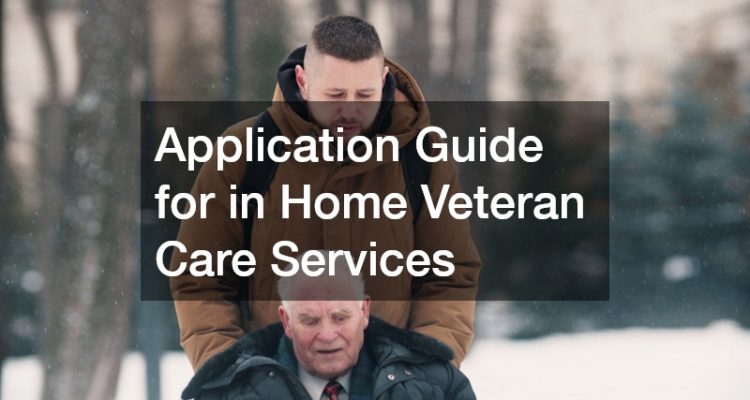

Veterans seeking in home veteran care services often face a complex array of options and requirements. Understanding eligibility, selecting the right services, and navigating the application process are essential for ensuring proper care. Each veteran’s needs are unique, making a personalized approach critical for success. In-home care allows veterans to maintain independence while receiving the support they need for daily living or medical needs. By clearly outlining steps and providing guidance, veterans and their families can confidently access these services.
How to Determine Eligibility for in home veteran care services
Understanding VA Eligibility Criteria
Eligibility for in home veteran care services is determined by military service, financial status, and specific care needs. Veterans should consult the VA or a service officer to clarify individual circumstances. Online resources, counseling, and direct VA support help ensure veterans understand their eligibility before starting an application. Understanding eligibility early saves time and prevents unnecessary application delays. It also allows families to plan for additional support options if some criteria are not met.
Identifying Specific Health Needs
Assessing medical conditions and daily living assistance requirements is crucial. Veterans should evaluate needs such as bathing, dressing, mobility, and medication management. Accurate documentation of health needs aids in matching the veteran with appropriate care. This assessment helps identify whether specialized medical services, like physical therapy, are required or if non-medical assistance will suffice.
Documentation Needed for Eligibility
Proper documentation streamlines the application process. Veterans should prepare discharge papers (DD-214), income proof, and medical statements detailing care requirements. Creating a checklist ensures all necessary paperwork is ready before submission, avoiding delays and confusion. Additionally, having well-organized records can simplify future updates or re-evaluations of care. Documentation also helps providers understand the full scope of services necessary for the veteran’s well-being.
Types of In-Home Care Services Available
Medical vs. Non-Medical Care
Medical care includes skilled nursing, therapy, and professional healthcare services provided at home. Non-medical care covers assistance with daily living activities, companionship, and household tasks. Identifying which services a veteran requires ensures that independence and well-being are maintained. Veterans with complex medical conditions may need a combination of both to ensure complete care. Understanding the difference between these services allows families to allocate resources efficiently and avoid gaps in care.
Customization of Care Services
Personalized care plans are developed based on health, lifestyle, and preferences. Plans can adjust over time to reflect changes in health or personal circumstances. Regular communication with care providers ensures services remain appropriate and effective. Customization also helps incorporate personal routines, hobbies, or dietary needs into care, improving quality of life. Engaging veterans in creating these plans encourages independence and promotes active participation in their own care.
Service Providers and Accreditation
Choosing an accredited and reputable provider guarantees quality and compliance with regulations. Resources from the VA or professional organizations can help veterans locate reliable agencies. Accreditation provides peace of mind for veterans and their families about the care being received. Providers with accreditation typically follow rigorous training standards and maintain professional oversight, ensuring consistent and safe care delivery.
Navigating the Application Process
Filling Out the Application
Completing the application accurately is critical. Forms require personal, financial, service, and health information. Assistance from a veteran service officer or knowledgeable professional can ensure applications are thorough and reduce delays. Double-checking all entries and ensuring supporting documentation is complete prevents unnecessary back-and-forth with the VA. Careful preparation at this stage also helps veterans understand what to expect during the review process.
Submitting the Application
Applications can often be submitted online, by mail, or in person. Veterans should confirm receipt and retain copies of all documents. Submission may involve a follow-up consultation to clarify information or outline next steps. Ensuring that deadlines are met and confirmations are received avoids processing delays. Keeping an organized record of submissions also allows veterans to track progress and address issues proactively.
Application Status and Follow-Up
Tracking the application helps address issues quickly. Regular communication with the processing agency ensures updates are received and requirements are met. Proactive follow-up facilitates timely approval and access to services, keeping the process moving smoothly. If additional information is requested, quick responses help prevent prolonged waiting periods.
Applying for in home veteran care services requires understanding eligibility, evaluating care options, and navigating the application process. Staying informed and planning helps veterans and their families secure the support that best meets their needs. Taking the time to assess requirements and engage with providers ensures high-quality, personalized care. Veterans who remain proactive often experience smoother transitions and greater satisfaction, maintaining a safe and supported home environment.
Veterans seeking in home veteran care services often face a complex array of options and requirements. Understanding eligibility, selecting the right services, and navigating the application process are essential for ensuring proper care. Each veteran’s needs are unique, making a personalized approach critical for success. In-home care allows veterans to maintain independence while receiving the support they need for daily living or medical needs. By clearly outlining steps and providing guidance, veterans and their families can confidently access these services.
How to Determine Eligibility for in home veteran care services
Understanding VA Eligibility Criteria
Eligibility for in home veteran care services is determined by military service, financial status, and specific care needs. Veterans should consult the VA or a service officer to clarify individual circumstances. Online resources, counseling, and direct VA support help ensure veterans understand their eligibility before starting an application. Understanding eligibility early saves time and prevents unnecessary application delays. It also allows families to plan for additional support options if some criteria are not met.
Identifying Specific Health Needs
Assessing medical conditions and daily living assistance requirements is crucial. Veterans should evaluate needs such as bathing, dressing, mobility, and medication management. Accurate documentation of health needs aids in matching the veteran with appropriate care. This assessment helps identify whether specialized medical services, like physical therapy, are required or if non-medical assistance will suffice.
Documentation Needed for Eligibility
Proper documentation streamlines the application process. Veterans should prepare discharge papers (DD-214), income proof, and medical statements detailing care requirements. Creating a checklist ensures all necessary paperwork is ready before submission, avoiding delays and confusion. Additionally, having well-organized records can simplify future updates or re-evaluations of care. Documentation also helps providers understand the full scope of services necessary for the veteran’s well-being.
Types of In-Home Care Services Available
Medical vs. Non-Medical Care
Medical care includes skilled nursing, therapy, and professional healthcare services provided at home. Non-medical care covers assistance with daily living activities, companionship, and household tasks. Identifying which services a veteran requires ensures that independence and well-being are maintained. Veterans with complex medical conditions may need a combination of both to ensure complete care. Understanding the difference between these services allows families to allocate resources efficiently and avoid gaps in care.
Customization of Care Services
Personalized care plans are developed based on health, lifestyle, and preferences. Plans can adjust over time to reflect changes in health or personal circumstances. Regular communication with care providers ensures services remain appropriate and effective. Customization also helps incorporate personal routines, hobbies, or dietary needs into care, improving quality of life. Engaging veterans in creating these plans encourages independence and promotes active participation in their own care.
Service Providers and Accreditation
Choosing an accredited and reputable provider guarantees quality and compliance with regulations. Resources from the VA or professional organizations can help veterans locate reliable agencies. Accreditation provides peace of mind for veterans and their families about the care being received. Providers with accreditation typically follow rigorous training standards and maintain professional oversight, ensuring consistent and safe care delivery.
Navigating the Application Process
Filling Out the Application
Completing the application accurately is critical. Forms require personal, financial, service, and health information. Assistance from a veteran service officer or knowledgeable professional can ensure applications are thorough and reduce delays. Double-checking all entries and ensuring supporting documentation is complete prevents unnecessary back-and-forth with the VA. Careful preparation at this stage also helps veterans understand what to expect during the review process.
Submitting the Application
Applications can often be submitted online, by mail, or in person. Veterans should confirm receipt and retain copies of all documents. Submission may involve a follow-up consultation to clarify information or outline next steps. Ensuring that deadlines are met and confirmations are received avoids processing delays. Keeping an organized record of submissions also allows veterans to track progress and address issues proactively.
Application Status and Follow-Up
Tracking the application helps address issues quickly. Regular communication with the processing agency ensures updates are received and requirements are met. Proactive follow-up facilitates timely approval and access to services, keeping the process moving smoothly. If additional information is requested, quick responses help prevent prolonged waiting periods.
Applying for in home veteran care services requires understanding eligibility, evaluating care options, and navigating the application process. Staying informed and planning helps veterans and their families secure the support that best meets their needs. Taking the time to assess requirements and engage with providers ensures high-quality, personalized care. Veterans who remain proactive often experience smoother transitions and greater satisfaction, maintaining a safe and supported home environment.
