Optimizing Physical Performance Through Balanced Wellness Practices
Health Articles
- posted on
- Comments Off on Optimizing Physical Performance Through Balanced Wellness Practices
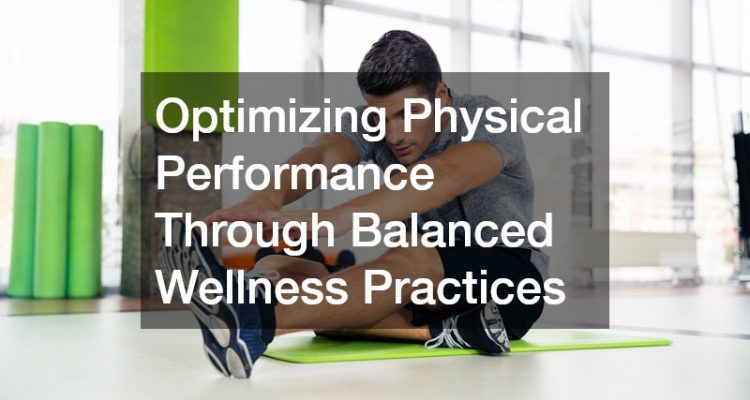

Optimizing physical performance today requires far more than simply exercising regularly or following a structured workout plan. The most effective approach is holistic, combining recovery, mobility, lifestyle habits, and personalized wellness strategies that support both the body and mind. Whether someone is an athlete, a busy professional, or simply someone trying to feel and function better day to day, performance improves when all systems of health are working together rather than in isolation. This means recognizing that sleep quality, stress management, nutrition, movement patterns, and even mental outlook all interact to shape physical output. When one area is neglected, it can create a ripple effect that limits progress in others.
Many people focus heavily on training intensity but overlook the equally important elements of recovery, alignment, confidence, and biological individuality. These factors determine how well the body responds to stress, how quickly it recovers, and how consistently it can perform over time. By integrating multiple aspects of wellness into a balanced routine, individuals can reduce injury risk, improve energy levels, and enhance long-term physical capability. Over time, this approach creates a more resilient system that can adapt to higher levels of demand without breaking down.
This article explores several interconnected areas of wellness that contribute to optimized physical performance. Each section focuses on practical strategies that can be applied immediately, whether at home, through professional support, or as part of a broader lifestyle shift. The goal is to help readers build a sustainable system that supports strength, endurance, recovery, and overall well-being.
Enhancing Recovery And Skin Wellness Through Advanced Support

Physical performance is not only about muscles and endurance—it also involves how the body recovers on a cellular and systemic level. Recovery is influenced by inflammation, stress levels, sleep quality, and even skin health. When these systems are supported properly, individuals often notice improved energy, faster healing, and better consistency in their performance routines. One often overlooked factor is how external stressors such as environmental exposure, poor circulation, and chronic fatigue can accumulate in the skin and connective tissues, subtly affecting overall recovery capacity. The body is interconnected, meaning that visible skin health often reflects internal physiological balance. In many cases, early signs of overtraining or systemic fatigue appear externally before they are fully felt internally, making skin and tissue care a useful indicator of overall recovery status.
Advanced aesthetic and recovery-focused services can play a supportive role in this process. For example, working with a laser technician can help address skin concerns related to inflammation, sun exposure, or recovery stress. Similarly, an esthetician can provide treatments that promote circulation, skin repair, and relaxation, all of which indirectly support physical recovery. These services are not just cosmetic; they often stimulate microcirculation, encourage lymphatic flow, and help reduce localized tension that may contribute to systemic fatigue. When used strategically, they can complement training cycles by helping the body reset between periods of high physical demand.
Practical ways to enhance recovery through this approach include:
- Prioritizing skin treatments that reduce inflammation and promote circulation
- Maintaining consistent hydration to support cellular repair
- Incorporating stress-reducing routines such as facial massage or light therapy
- Scheduling periodic professional care during intense training cycles
- Supporting sleep hygiene to enhance natural recovery processes
Additionally, individuals can benefit from creating a structured recovery environment at home. This might include using calming nighttime skincare routines, reducing blue light exposure before bed, and integrating relaxation techniques that activate the parasympathetic nervous system. Even small habits such as gentle stretching before sleep or alternating warm and cool compresses can improve circulation and tissue recovery. Over time, these consistent micro-habits compound, improving resilience and reducing the overall physiological burden placed on the body.
It is important to understand that recovery is not passive. It is an active process that can be enhanced through intentional care of the body’s largest organ—the skin—as well as through nervous system regulation. When recovery improves, physical performance becomes more stable, predictable, and sustainable over time.
Structured Recovery Systems For Long-Term Physical Sustainability
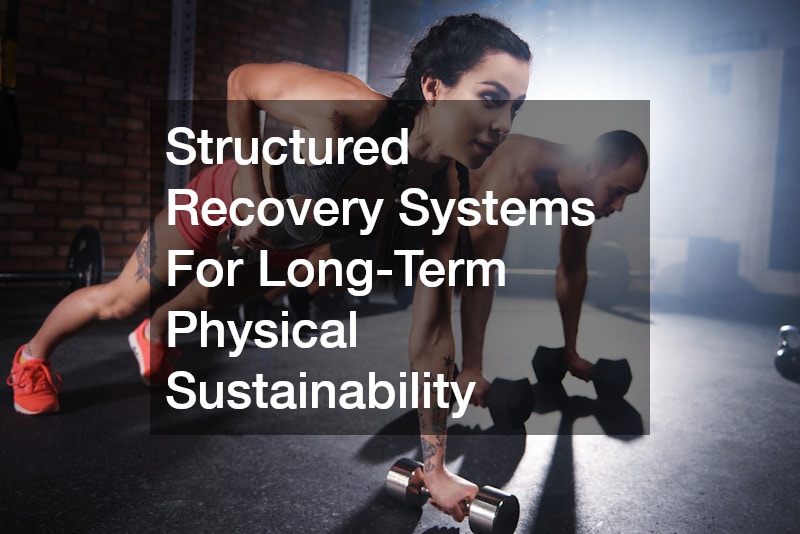
One of the most overlooked components of physical performance is structured recovery. Many individuals train hard but fail to implement systems that allow their body to fully restore itself. Over time, this can lead to fatigue, injury, and decreased motivation. A lack of structure often results in inconsistent progress, where short bursts of improvement are followed by setbacks that could have been prevented with better planning.
Professional recovery environments such as a rehab center provide structured guidance that helps individuals understand their physical limitations and improve function safely. These environments focus on controlled progression, mobility restoration, and injury prevention strategies. Similarly, physical rehab principles can be applied outside clinical settings to support ongoing maintenance and performance improvement. One key advantage of structured environments is that they remove guesswork, replacing it with measurable benchmarks and step-by-step progression that adapts to the individual’s recovery capacity.
Key strategies for building an effective recovery system include:
- Alternating high-intensity training days with low-intensity recovery sessions
- Incorporating mobility and stretching routines after workouts
- Tracking fatigue levels and adjusting training intensity accordingly
- Using guided recovery techniques such as resistance band work or hydrotherapy
- Prioritizing rest days as essential components of progress, not setbacks
Beyond these basics, individuals can also benefit from scheduling recovery in the same way they schedule workouts. Treating recovery sessions as non-negotiable appointments increases consistency and ensures the body receives adequate time to repair. Sleep quality tracking, hydration monitoring, and even simple journaling of soreness or energy levels can provide valuable feedback for long-term adjustment.
Another important element is progression pacing. Many injuries occur not from lack of recovery days, but from returning to intensity too quickly. Structured systems help regulate this transition, ensuring that strength and endurance improvements are sustainable rather than temporary.
Recovery should be viewed as part of training rather than separate from it. When structured correctly, it allows the body to adapt, grow stronger, and perform at a higher level over time without excessive strain or burnout.
Improving Alignment And Movement Efficiency For Better Performance

Physical performance depends heavily on how efficiently the body moves. Poor alignment or structural imbalance can lead to energy waste, discomfort, and increased injury risk. By focusing on alignment and biomechanical efficiency, individuals can significantly improve both performance and longevity. Even subtle misalignments, if left unaddressed over time, can create compensatory movement patterns that reduce power output and increase strain on muscles and joints. This often shows up as chronic tightness, uneven fatigue, or recurring minor injuries that limit long-term progress.
Support tools such as feet orthotics services can help correct imbalances in posture and gait, leading to improved stability and reduced strain on joints. Additionally, working with a chiropractor can assist in maintaining spinal alignment, improving mobility, and reducing tension that may limit movement efficiency. These interventions help reset foundational mechanics so that the body can move as intended, rather than compensating for structural inefficiencies.
Actionable strategies for improving alignment include:
- Performing daily posture checks during standing and sitting activities
- Strengthening core muscles to support spinal stability
- Wearing supportive footwear during high-impact activities
- Incorporating mobility drills targeting hips, ankles, and shoulders
- Scheduling periodic assessments for alignment and movement patterns
Additional improvements can come from paying attention to movement symmetry during exercise. For example, noticing whether one side of the body fatigues faster or feels tighter can reveal hidden imbalances. Slow, controlled repetitions during strength training can also reinforce proper mechanics and reduce reliance on momentum, which often masks poor form.
Breathing patterns also play a role in alignment and movement efficiency. Shallow or uneven breathing can contribute to tension in the neck and shoulders, while controlled diaphragmatic breathing supports core stability and smoother movement transitions.
Small adjustments in alignment can produce significant improvements in endurance and performance. When the body moves efficiently, it uses less energy, reduces wear on joints, and performs more consistently across different activities.
Supporting Confidence And Lifestyle Wellness For Better Consistency

Physical performance is not purely physical—it is also psychological. Confidence, self-perception, and emotional well-being all influence motivation and consistency. When individuals feel good about themselves, they are more likely to maintain healthy habits and engage fully in their fitness routines. This connection between mindset and physical output is often underestimated, yet it plays a major role in whether someone sustains long-term progress or cycles through inconsistent efforts.
Personal care and lifestyle support play an important role in this process. Visiting a cosmetic dentist can improve oral health and confidence, which often translates into better social and professional performance. Similarly, a local salon provides grooming and self-care services that contribute to relaxation, stress reduction, and improved self-image. These experiences are not superficial; they contribute to a sense of control, structure, and self-respect that often carries over into fitness and wellness habits.
Ways to integrate lifestyle wellness into performance optimization include:
- Establishing a consistent grooming and self-care routine
- Prioritizing oral hygiene as part of overall health maintenance
- Scheduling regular personal care appointments to reduce stress
- Using appearance-related self-care as a motivational tool for consistency
- Creating routines that reinforce discipline and self-respect
Additional strategies can further strengthen this connection between confidence and performance. For example, setting small appearance or lifestyle goals alongside fitness goals can create a more balanced sense of progress. This might include improving posture in daily life, maintaining consistent sleep routines, or dressing in a way that supports an active lifestyle mindset. These small behavioral cues can reinforce identity-based habits, where individuals begin to see themselves as disciplined and health-oriented.
Social confidence also plays a role in consistency. When individuals feel comfortable in their appearance and self-presentation, they are more likely to participate in group activities, training sessions, or outdoor fitness environments. This increased engagement often leads to better accountability and enjoyment, both of which support long-term adherence.
When individuals feel confident and balanced in their personal presentation and lifestyle habits, they often experience improved focus, stronger motivation, and better adherence to physical training programs.
Outdoor Conditioning And Personalized Performance Optimization
Outdoor activity is one of the most effective ways to improve cardiovascular health, endurance, and mental resilience. Activities such as cycling and trail riding challenge the body in dynamic environments, promoting adaptability and functional strength. Using mountain bikes for structured outdoor training can significantly enhance stamina, coordination, and overall fitness levels. Unlike controlled indoor environments, outdoor training introduces natural variability such as wind resistance, elevation changes, and terrain unpredictability, all of which force the body to adapt more efficiently and build real-world functional fitness.
In addition to physical activity, understanding individual biological factors can further optimize performance. DNA testing provides insights into genetic predispositions related to metabolism, recovery speed, and injury risk. This information can be used to tailor training programs more precisely to individual needs. For example, some individuals may recover faster from high-intensity efforts, while others may benefit more from steady-state endurance work. Recognizing these differences allows for smarter programming that reduces overtraining and improves long-term adaptation.
Practical ways to integrate these elements include:
- Incorporating outdoor endurance sessions into weekly training schedules
- Varying terrain and intensity to challenge different energy systems
- Using biological insights to adjust nutrition and recovery strategies
- Monitoring recovery response after different types of exercise
- Creating long-term performance plans based on individual data
Additional optimization can be achieved by tracking environmental conditions during outdoor sessions, such as temperature, elevation, and humidity, to understand how the body responds under different stressors. This data can help refine pacing strategies and improve endurance efficiency over time.
Mental conditioning is another key benefit of outdoor training. Exposure to unpredictable conditions builds resilience, problem-solving ability, and mental toughness, all of which translate into improved performance in structured training environments as well. Over time, this combination of physical adaptability and biological awareness creates a highly personalized system that supports continuous improvement while minimizing unnecessary strain.
Optimizing physical performance requires a balanced and integrated approach that goes far beyond exercise alone. When recovery, alignment, confidence, and personalized insights are all considered, the body becomes more efficient, resilient, and capable of sustained performance over time.
The most effective results come from consistency and balance rather than intensity alone. Small improvements across multiple areas of wellness often create more significant long-term benefits than extreme effort in a single dimension. By building a system that supports the body from multiple angles, individuals can enhance energy, reduce injury risk, and maintain higher levels of performance throughout their daily lives.
Ultimately, physical optimization is not a single goal but an ongoing process of refinement, awareness, and adaptation.
